
Zimbabwe recorded 48 150 road traffic crashes in the first nine months of 2026 leaving nearly 2000 people dead and thousands injured amid concerns that human error remains the leading cause of accidents on the country’s roads.
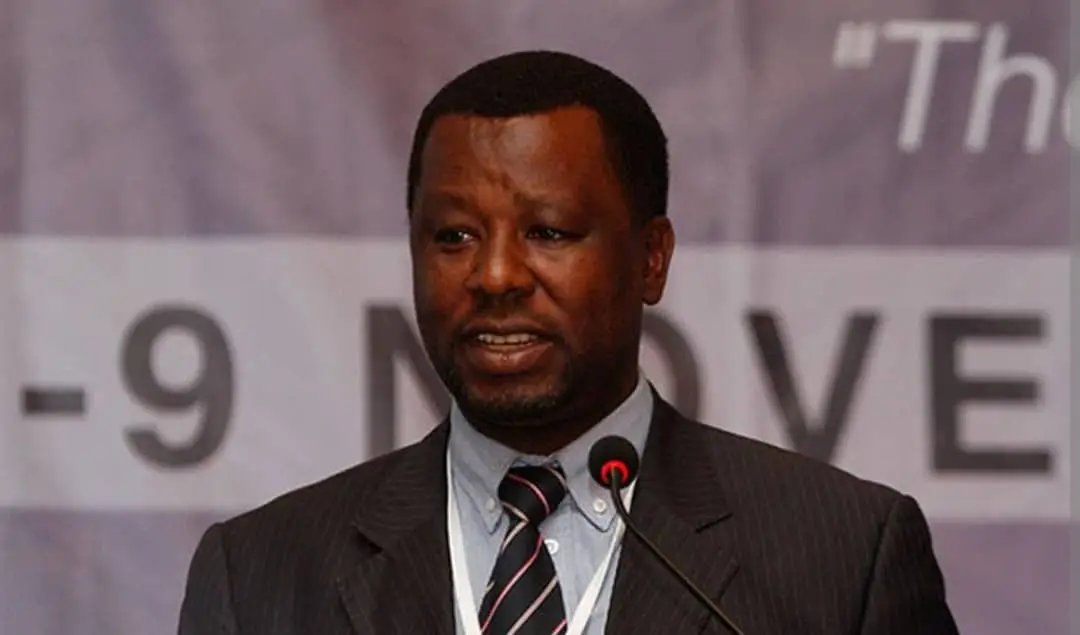
Traffic Safety Council of Zimbabwe (TSCZ) managing director Munesu Munodawafa said an estimated 94 percent of road traffic crashes were caused by human error warning that the impact extended beyond the immediate loss of life to long-term social and economic hardships for survivors and dependants.
Speaking at a road safety workshop for journalists, Munodawafa said the loss of a breadwinner in a road crash could leave children struggling to continue their education, particularly when relatives who initially offer financial assistance are no longer able to support them.
He said some children receive help from extended family members to pay school fees following the death of a parent, but such assistance often proves difficult to sustain over time.
“Maybe at the end of the term, an uncle pays the school fees. The second term, the father or the mother pays the school fees, and eventually the fees are paid. But perhaps the third, fourth or the next year, the child probably goes out of school,” he said.
Munodawafa said these consequences were often overlooked in media coverage, which tends to focus on fatalities and the number of people injured rather than the wider effects on families and communities.
He urged journalists to give greater attention to the human cost of road crashes, including the financial difficulties faced by bereaved families and the disruption to children’s education.
Police figures presented at the workshop showed that Zimbabwe recorded 48 150 road traffic crashes between January and September 2026, resulting in 1 979 deaths and 8 061 injuries.
The figures highlight the scale of the road safety challenge facing the country, with authorities and other stakeholders under pressure to identify and address preventable causes of accidents.
Munodawafa challenged journalists to go beyond reporting crash statistics and investigate factors contributing to accidents, including dangerous road sections, inadequate signage, overloading and other road safety risks.
He said media coverage should also examine whether interventions introduced to improve road safety were producing meaningful results and whether responsible authorities were being held accountable.
“Let us identify the problem, investigate the solutions, evaluate the effectiveness, promote accountability and share lessons,” he said.
Munodawafa said accurate, evidence-based and solutions-oriented reporting could help expose weaknesses in road safety systems, encourage responsible behaviour among motorists and support measures to protect all road users.
He said journalists had an important role to play in raising public awareness and ensuring that road crashes were treated not merely as isolated incidents but as preventable tragedies with far-reaching consequences.
The call comes amid growing concern over the human and economic toll of road accidents, which can leave families without income, children at risk of dropping out of school and survivors facing prolonged physical and financial difficulties.