
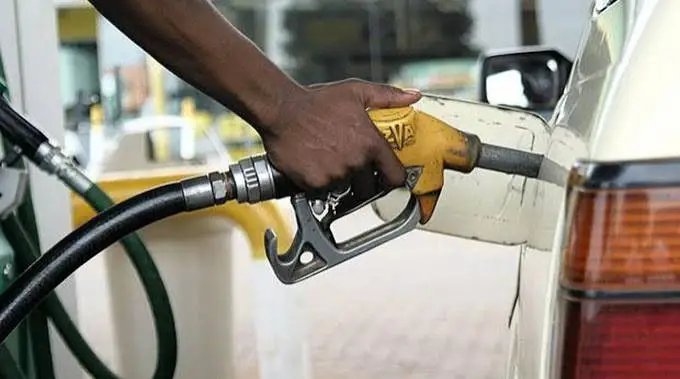
Zimbabwe’s fuel-import-dependent economy could remain exposed to international oil market volatility into 2027 after the International Energy Agency (IEA) warned that global energy markets are unlikely to return to normal next year.
IEA executive director Fatih Birol said there was no credible pathway for oil markets to normalise in 2027 as the conflict in the Middle East continues to disrupt supplies, shipping routes and refining capacity.
Brent crude, the international oil benchmark, was trading above US$111 per barrel on Tuesday, October 20, reflecting renewed concerns over supply disruptions and the potential escalation of the conflict.
The crisis has placed additional pressure on global fuel markets, particularly diesel, as damage to refineries and constrained exports limit the availability of refined petroleum products.
Birol said the possibility of further disruptions could not be ruled out, warning that overlapping crises in the Middle East could prolong market instability.
The Strait of Hormuz, a critical shipping route for global energy supplies, remains a major concern for oil traders and importers. Before the conflict, approximately one-fifth of global oil and natural gas supplies passed through the waterway.
The International Energy Agency has already coordinated the release of up to 400 million barrels of oil from strategic reserves held by member countries to help cushion the impact of supply disruptions. Further releases could be considered if market conditions deteriorate.
For Zimbabwe, sustained increases in international oil prices present risks for fuel import costs, transport operators, manufacturers, farmers and other businesses that rely on petroleum products.
Higher fuel costs can feed into freight charges, production expenses and the distribution of goods, potentially putting additional pressure on consumer prices and business margins.
Transport and logistics companies are particularly exposed because fuel is a major operating expense. An extended period of elevated diesel prices could force operators to increase charges or absorb higher costs, depending on competition and demand.
Agriculture and manufacturing could also face increased production costs through fuel-dependent machinery, generators and the transportation of raw materials and finished products.
Zimbabwe’s exposure will depend on international crude and refined-product prices, regional supply conditions, exchange-rate movements and domestic fuel pricing arrangements.
The IEA’s October oil market report projects global oil demand to fall by 2.6 million barrels per day in 2026 as higher prices, supply constraints and weaker economic conditions weigh on consumption. Although demand is expected to recover partially in 2027, the agency says global oil use will remain below 2025 levels.
The agency has also warned that depleted inventories and continuing supply disruptions could leave fuel markets vulnerable to further shocks.
For businesses, the outlook reinforces the importance of monitoring fuel-related expenses, reviewing logistics contracts and incorporating energy price volatility into operating budgets.
While a recovery in supply could eventually ease pressure on international markets, the IEA’s assessment suggests that companies and fuel-importing economies should not assume a swift return to stable prices in the coming year.
The duration of the Middle East conflict, the restoration of disrupted production and refining capacity, and the security of major shipping routes will remain key determinants of the global oil price outlook.