
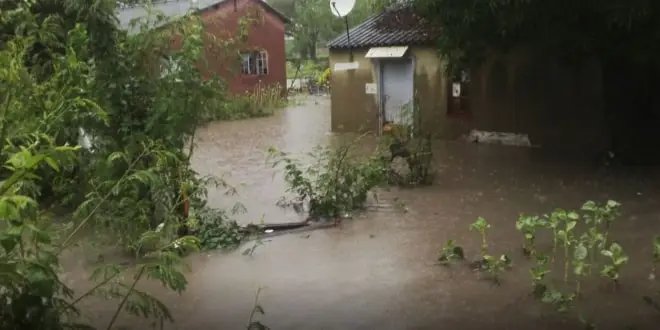
The Combined Harare Residents Association (CHRA) has called on the government and Harare City Council to improve basic public services and strengthen disaster preparedness ahead of the 2026-2027 rainy season.
The residents’ association said the restoration of reliable water supplies, functional roads, efficient waste collection and adequate sewerage systems should be prioritised in the 2027 National Budget.
In statements released on 8 October, CHRA said residents continued to face challenges accessing essential services, while poor drainage and inadequate waste management increased the risk of flooding and waterborne diseases during heavy rains.
“As residents, we need assurance that our submissions will translate into concrete budgetary allocations and measurable improvements,” CHRA said.
The association said public health services and properly maintained community infrastructure also required urgent attention, adding that water and sanitation should be treated as national priorities.
It called on the government to ensure that commitments made during the budget consultation process result in tangible improvements to residents’ living conditions.
The association also urged the government, Harare City Council and other stakeholders to strengthen disaster preparedness before the onset of the rainy season.
It said the city’s vulnerability to flooding was worsened by blocked storm-water drains, illegal dumping, settlements in wetlands and flood-prone areas, and poor maintenance of roads and other public infrastructure.
CHRA called for an immediate assessment of Harare’s disaster preparedness, alongside preventative measures to reduce the impact of heavy rainfall.
The association urged both central government and the city council to allocate adequate funding towards disaster risk management in their 2027 budgets, taking into account the potential effects of the El Niño phenomenon.
Among its recommendations, CHRA called for the urgent clearing and rehabilitation of storm-water drains, particularly in areas that regularly experience flooding.
It also urged authorities to remove illegally dumped waste from waterways and drainage systems and repair damaged roads, bridges and culverts to prevent communities from being cut off during heavy rains.
The association said flood-prone areas, particularly informal settlements and communities near rivers, streams and wetlands, should be regularly monitored.
CHRA said residents should receive timely warnings about impending storms, flooding and other weather-related hazards.
It called for the establishment and public communication of emergency response plans, including evacuation routes and designated temporary shelters where necessary.
The association also urged authorities to provide emergency response teams with adequate equipment, personnel and communication systems to enable them to respond effectively when disasters occur.
It said cooperation between central government, the city council, civil protection authorities, health institutions, residents’ associations and community structures was essential to ensure a coordinated response.
CHRA further emphasised the need to protect vulnerable residents, including children, older people and persons with disabilities, who may face additional challenges during emergencies.
While calling for stronger institutional preparedness, the association urged residents to help reduce flooding risks by avoiding illegal dumping, keeping drainage channels around their homes clear and reporting blocked drains and dangerous infrastructure.
It also encouraged residents to follow official warnings during periods of severe weather.
The calls come as Harare continues to face concerns over service delivery, urban infrastructure and the risks associated with heavy rainfall.
CHRA said effective planning, adequate budget allocations and coordinated action by authorities and communities were necessary to improve public services and reduce the impact of seasonal disasters.