
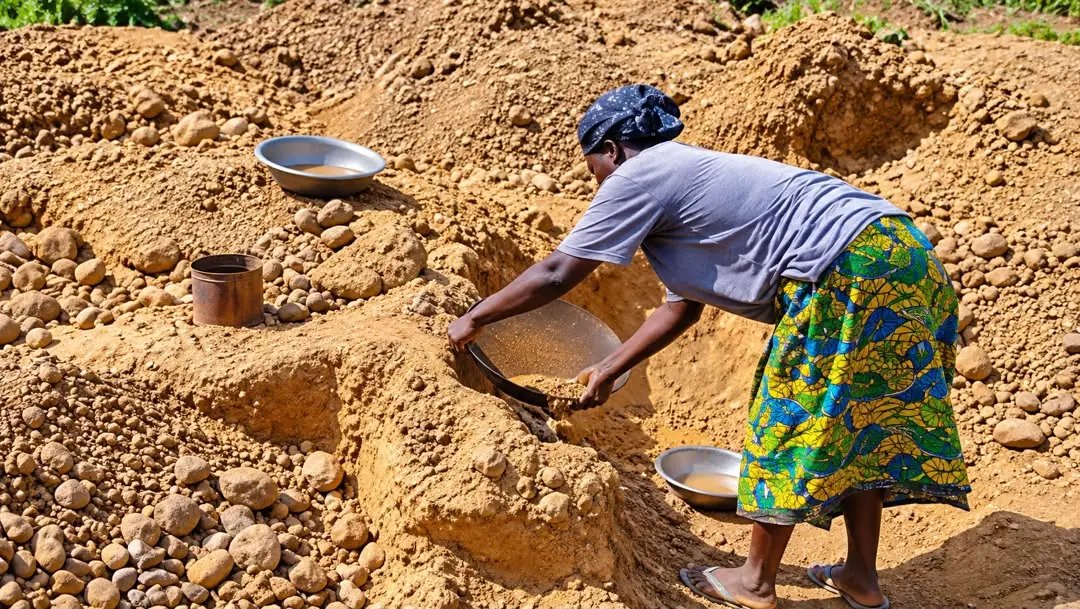
Women from various communities have called for more platforms to bring them together to engage, share experiences and support one another in addressing gender-based violence in mining communities.
Speaking during a plenary session, Ms Rejoice Magenga from Hwange said while they appreciated initiatives such as the Centre for Natural Resource Governance (CNRG)’s Amplify Change programme for creating spaces for dialogue and engagement, more needed to be done to ensure that discussions were translated into meaningful action at community level.
She said the introduction of the Amplify Change initiative had marked an important step in strengthening community-led efforts to address gender-based violence in Hwange, particularly through training women as paralegals.
“The coming of Amplified Change in Hwange changed the community because bad things were happening, if you look at cases of violence were rising so when amplified change came into Hwange and engaged us trained us to be paralegals we get into the community and discuss with women issues affecting them.”
She said such engagements were important in allowing women from different mining communities to raise their concerns, learn from one another and collectively identify solutions to the challenges they faced.
“We need more of these engagements so that women get to understand more about gender based violence and where to report their cases,” she said.
Magenga also called for stronger collaboration among communities, civil society organisations and relevant institutions to ensure that women affected by gender-based violence received adequate support, protection and access to justice.
Meanwhile, Loveness Kachingwe from Penhalonga raised concern over the underreporting of sexual violence in mining communities, attributing the situation partly to a lack of confidence in the police response and what she described as the repeated release of alleged perpetrators shortly after arrest.
“Some of these issues are not reported but women are being raped,” she said.
She added: “It’s useless to report these cases because no action is taken by the police, in most cases there is catch and release you find out that one is arrested today and after three days they are released.”
Member of Parliament for Lupane West Constituency, Mxolisi Sibanda, called for the decentralisation of the Zimbabwe Gender Commission and stronger support for women’s economic empowerment as part of efforts to address gender-based violence in mining communities.
In an interview, Sibanda said women and girls in mining communities, particularly Marange and Hwange, continued to face serious challenges, including rape, sexual violence, child marriage and economic vulnerability.
He said the challenges were not limited to the two mining areas represented at the meeting but were also prevalent in other mining communities across the country.
Sibanda said poverty was exposing women to exploitation, particularly those who travelled to mining areas to sell goods and earn a living.
He said some women faced sexual violence while trying to sustain their livelihoods, highlighting the need to strengthen economic empowerment programmes to reduce their vulnerability.
“As a ministry, I think we have a women’s bank. And what we need to be pushing for is that the bank be capacitated in such a way that it is able to assist women,” he said.
Sibanda called on the relevant parliamentary committee to ensure that the Women’s Bank reached vulnerable women in need of financial assistance, raising concern over barriers to accessing loans, particularly collateral requirements.
He said women had expressed concern that collateral requirements were preventing marginalised groups from benefiting from the facility.
However, he said the bank had indicated that it offered group lending arrangements through which women could apply for loans collectively, even without individual collateral.
Sibanda also said there was a need to strengthen law enforcement institutions to ensure that perpetrators of gender-based violence were arrested and brought to justice.
He further called for the decentralisation of the Zimbabwe Gender Commission, arguing that its centralised operations could limit access to support and representation for women in remote communities.
“We need to ensure that maybe this commission, like the gender commission, is decentralised. It gets down to where these issues happen,” he said.
He also highlighted the role of the Ministry of Women Affairs’ ward coordinators in identifying and reporting cases of violence and other challenges affecting women at community level.
Sibanda said testimonies shared by women during the Indaba had exposed the extent of abuse taking place in mining communities, adding that the discussions had provided valuable insights for parliamentarians on possible interventions.
He encouraged communities to make use of parliamentary petition processes to bring their concerns to the attention of lawmakers.
He explained that petitions submitted to Parliament could be referred to relevant portfolio committees, which could then conduct investigations and visit affected communities to establish the challenges on the ground.
Sibanda said the engagement had been fruitful, giving committee members a better understanding of the experiences of women in mining communities and the interventions needed to address their concerns.