
By Lloyd Mangoh
Businesses have been challenged to move beyond disability inclusion policies and public commitments and demonstrate tangible results through the recruitment, retention and promotion of persons with disabilities.
The challenge was made by the Director of the Department of Disability Affairs in the Ministry of Public Service, Labour and Social Welfare, Ms Laizah Chourombo who said meaningful inclusion must be reflected in the everyday experiences of persons with disabilities in the workplace.
“A person with a disability cannot pay rent with a policy statement. A young graduate cannot build a career on good intentions. What changes a life is a job, a fair chance of promotion, and a workplace that has removed the barriers standing in the way,” she said.
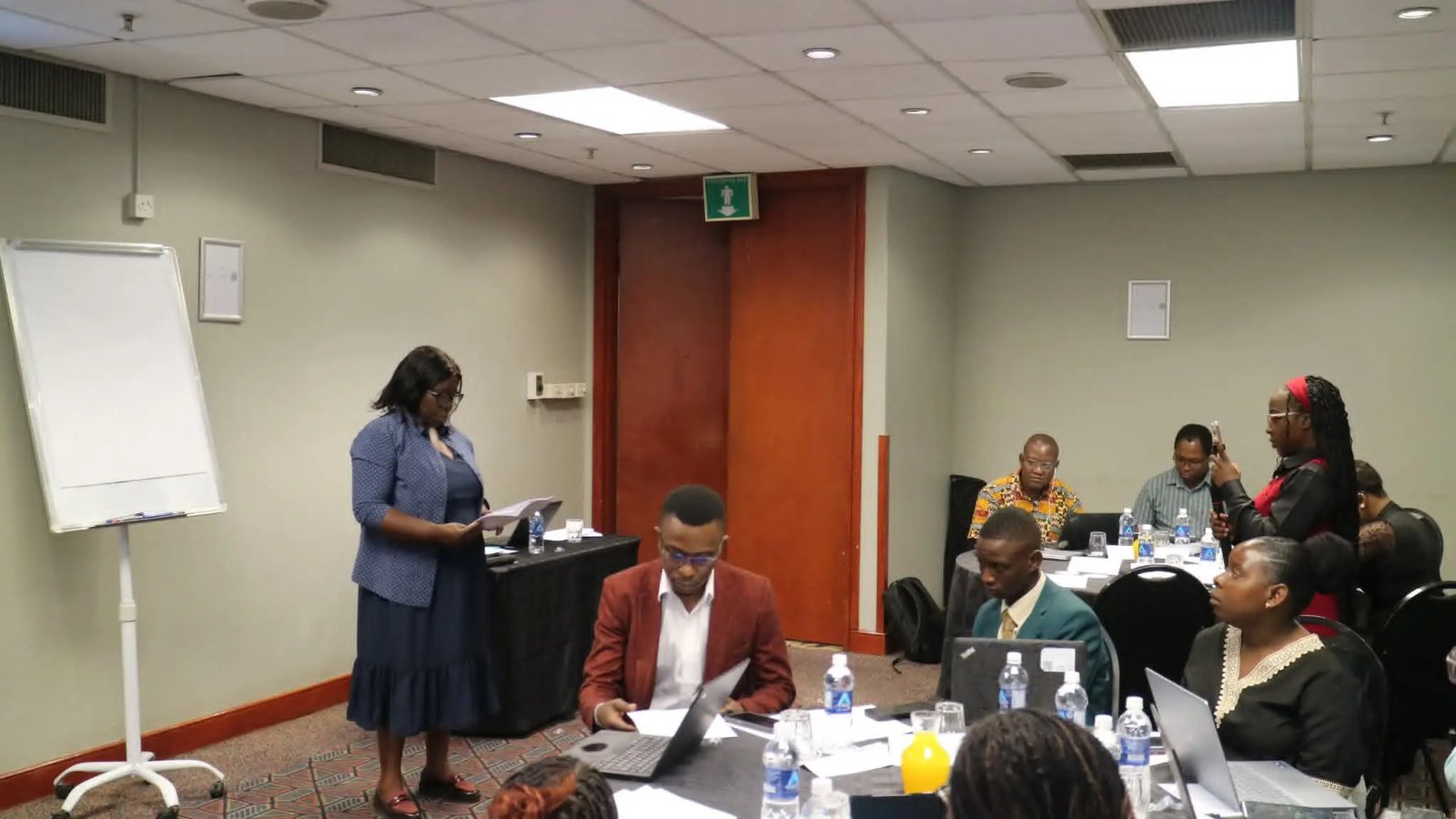
Speaking at the Zimbabwe Business and Disability Network (ZBDN) Annual Conference in Harare, Ms Chourombo said disability inclusion should be treated as both a rights issue and an economic priority, requiring employers to translate commitments into measurable workplace changes.
The two-day conference is being held under the theme, “Inclusion That Works: From Commitment to Measurable Change.”
Chourombo drew attention to the scale of disability in Zimbabwe, citing the 2022 Population and Housing Census which estimated that persons with disabilities account for 9.5 percent of the country’s population.
She also referred to International Labour Organisation research estimating that the exclusion of persons with disabilities from the world of work costs economies between three and seven percent of gross domestic product.
She said the economic argument for inclusion was clear adding that employers were missing out on skills, talent and productivity when workplace systems and recruitment practices excluded qualified candidates on the basis of disability.
Zimbabwe’s legal framework provides a basis for addressing such barriers. Ms Chourombo pointed to Sections 22 and 83 of the Constitution, Article 27 of the United Nations Convention on the Rights of Persons with Disabilities and the Persons with Disabilities Act of 2025.
She said the Act prohibits discrimination in recruitment, hiring and career advancement, while the denial of reasonable accommodation constitutes discrimination.
It also requires Government institutions and parastatals with 50 or more employees to ensure that persons with disabilities make up at least two percent of their workforce within two years of the Act becoming law.
The legislation also provides incentives for private companies that employ persons with disabilities, reinforcing the need for businesses to view inclusive employment as part of their organisational responsibility.
However, legislation alone will not remove the barriers confronting job seekers and employees with disabilities.
Employers must ensure that recruitment advertisements and interviews are accessible, establish clear processes for requesting reasonable accommodation and monitor the recruitment, retention, promotion and exit of employees with disabilities.
Reasonable accommodation may include installing ramps, providing screen readers and sign language interpretation making information available in large print or allowing flexible working arrangements.
Chourombo urged businesses to pay particular attention to young persons with disabilities, especially young women, who often face additional barriers in accessing employment and career opportunities.
She also called for persons with disabilities and their representative organisations to be meaningfully involved in decisions affecting them, emphasising that Organisations of Persons with Disabilities (OPDs) should be recognised as partners with expertise and lived experience.
“Let us count not the promises we have made, but the people who have been employed, retained and promoted,” she said, before officially opening the conference.
The call for measurable change was echoed by ZBDN chairperson Israel Shingayi Muchuchu of the Employers’ Confederation of Zimbabwe who challenged businesses to examine the practical value of participating in the network and the contribution they could make towards advancing disability inclusion.
He said the network provided an opportunity for businesses to exchange knowledge, learn from one another and contribute to national conversations on disability inclusion.
Launched by the Government in 2024, ZBDN is part of the International Labour Organisation’s Global Business and Disability Network, a global platform bringing together business and disability networks from different countries.
Muchuchu said businesses should recognise persons with disabilities as a pool of human capital rather than viewing their employment through the lens of sympathy or charity.
He encouraged employers to build partnerships that connect qualified persons with disabilities to meaningful work opportunities.
The role of OPDs in supporting this transition was highlighted by NASCOH Acting Executive Director Joyce Matara, who said the organisation had contributed to improving private sector understanding of disability through disability awareness programmes.
She also pointed to accessibility audits as an important area of learning and support through ZBDN noting that NASCOH had since developed the capacity to conduct accessibility audits independently using international standards.
Her remarks illustrated how collaboration between OPDs and businesses can help identify and address barriers that extend beyond recruitment.
Accessibility must also be considered in workplace infrastructure, services, communication and organisational practices if employees with disabilities are to participate on an equal basis.
Ultimately, however, the success of disability inclusion must be judged by the experiences and opportunities of persons with disabilities themselves.
This reality was brought into focus by young professionals Yolanda Muyengwa, Fungai Muchokoto, Joshua Mazhambe and Tapiwa whose personal experiences highlighted the discrimination and limited disability awareness that continue to shape opportunities for persons with disabilities.
They challenged employers and communities to look beyond disability and recognise people’s qualifications, skills and ability to perform. Their message was that inclusion should be based on equal opportunity and professional competence, not sympathy.
“See the person, not the disability,” they urged.
They also challenged employers to replace pity with meaningful employment opportunities, emphasising that persons with disabilities should be given the chance to demonstrate what they can do.
“Don’t pity us but employ us because we can do the job.”
Their message captured the central question confronting businesses: whether disability inclusion will remain a statement of good intentions or become a reality reflected in who gets hired, who advances and who is given an equal opportunity to contribute.
For young persons with disabilities, inclusion is not simply about being recognised in company policies. It is about accessing opportunities, earning a livelihood, building careers and being valued for their abilities.
Businesses must therefore move beyond promises and create workplaces where those opportunities are possible.