
By Rutendo Maraire
The Centre for Natural Resource Governance (CNRG) has called for stronger protection of women’s rights, safety and dignity in mining communities amid growing concerns over sexual exploitation, violations, reproductive health rights, gender-based violence and barriers to accessing justice.
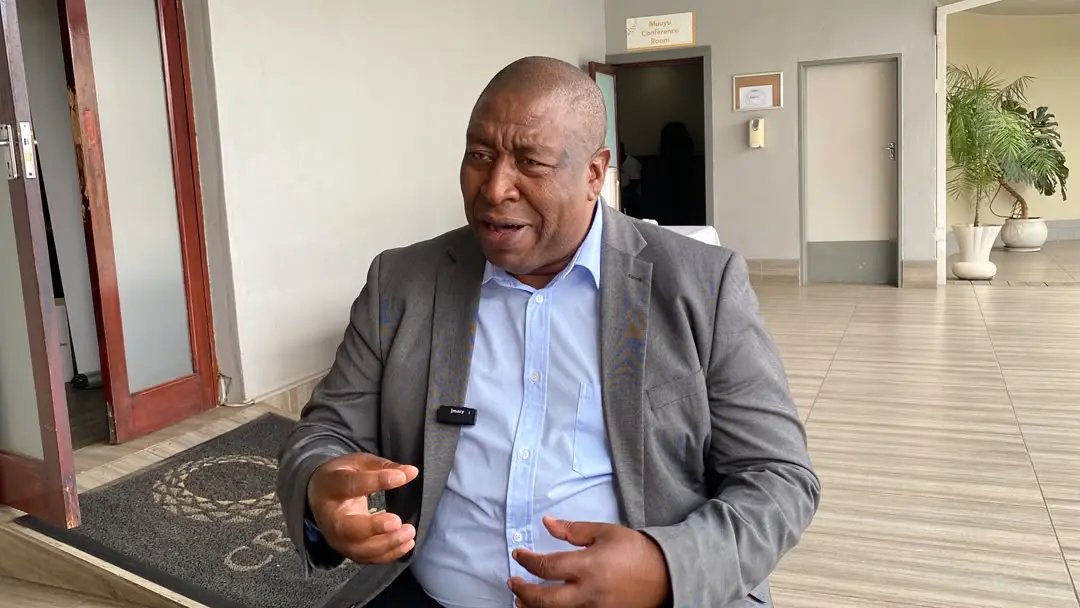
Speaking at the Safe Shafts, Safe Homes Multistakeholder Indaba held in Harare, CNRG Director Farai Maguwu said collective action and institutional accountability were needed to address the challenges affecting women in mining communities.
“We have observed things like sexual exploitation and abuse at work. Getting job offers in exchange for offering sexual services and having been employed also to continue being exploited by the bosses at work.
“We have also noticed insecurity from machete gangs in some of these areas. So they would make the community very unsafe but the women would be more affected than their male counterparts,” he said.
Maguwu also raised concern over weak reporting and referral systems saying the lack of local platforms to handle sexual abuse cases was preventing women at grassroots level from accessing support and justice.
“Weak reporting and referral system is no local platforms can handle sexual abuse and national commitments are not reaching grassroots women. At the national level we have some policies and commitments, but at the grassroots where most of our people are, those platforms are yet to reach them,” he said.
He said the programme sought to give affected communities an opportunity to speak for themselves and engage institutions responsible for protecting their rights.
“The main objective here is not to speak on behalf of communities but is to create a platform where the communities can speak for themselves. And we are very honored also to have the Zimbabwe Gender Commission with us along this journey. I think we have walked together.
“The victim-friendly unit we are also very grateful we are getting there. Patchy dynamics here and there but I think Zimbabwe is further down the road compared to other countries in terms of how to report and all those things,” he said.
The Indaba brought together stakeholders from government institutions, civil society organisations, mining-affected communities, traditional leadership and other relevant institutions to discuss challenges faced by women in mining areas.
Maguwu said the programme sought to empower affected communities particularly women to speak out about their experiences, demand accountability and engage relevant institutions in addressing the challenges they face.
“We want to help the community women petition. But with their assistance they should be able to write the petition and have that petition responded to.”
The engagement provided a platform for women from Marange and Hwange to share their lived experiences while also presenting research findings on violations of women’s sexual and reproductive health rights and barriers to accessing justice in Hwange.
During the discussions, women raised concerns over the services provided by stakeholders such as the Victim Friendly Unit (VFU) saying the reporting processes had discouraged them from seeking assistance.
“We face so many challenges but we are scared to report because we are directed to many people who we are told they will help us which make us lose confidence before we even get to report our cases,” said women during a question-and-answer session.
The discussions also focused on strengthening access to justice, addressing gender-based violence, improving sexual and reproductive health services, promoting women’s economic empowerment and establishing stronger referral pathways for survivors of abuse.
Meanwhile, community members in Mutare raised concerns over what they described as lenient sentences imposed on perpetrators of gender-based violence.
“There must be stiffer penalties for perpetrators of gender-based violence because, in our communities, we have seen cases where offenders are arrested only to be sentenced to community service,” they said.
The meeting also sought to strengthen dialogue between affected communities and duty-bearers, with the aim of securing concrete commitments towards protecting women’s rights and ensuring accountability in the mining sector.
The engagement was expected to culminate in the adoption of the Harare Declaration, outlining key commitments and follow-up actions towards advancing the safety, dignity and rights of women in mining communities.