
Deaf students and other people with disabilities continue to face barriers in accessing education, information and protection from gender-based violence (GBV) with communication challenges and limited institutional support leaving many vulnerable to abuse.
Sign language presenter and interpreter Susan Masona said institutions of higher and tertiary learning must improve accessibility by providing information and services in formats that accommodate students with different disabilities.
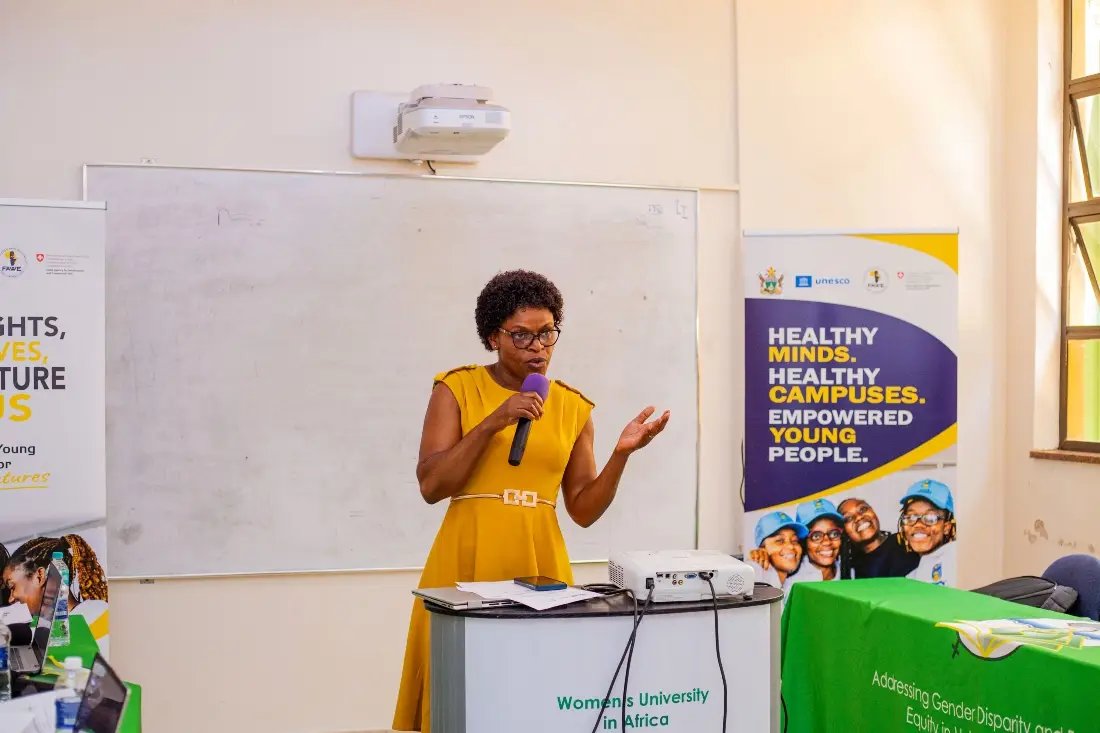
Speaking during a programme organised by the Forum for African Women Educationalists Zimbabwe (FAWEZI) under the Our Rights, Our Lives, Our Future Plus (O3 PLUS) Phase II Programme, Masona said the inclusion of people with disabilities should begin at early childhood development level rather than being addressed only at universities.
She said many deaf children were disadvantaged from an early age because their families and schools failed to provide adequate opportunities to learn sign language.
“Once that child fails to acquire sign language, because sign language is taught, of course it is natural, right? But they should also be taught the standard one, that they can use and communicate with themselves,” said Masona.
She said the inability of parents and other family members to communicate with deaf children often pushed them towards the deaf community in search of interaction and information.
Masona warned that communication barriers also increased the vulnerability of people with disabilities to gender-based violence, particularly when they could not access information about their rights or available support services.
She called for GBV awareness programmes to be provided in accessible formats, including sign language interpretation and appropriate materials for people with visual impairments.
“It is very crucial that gender-based violence programmes should be more accessible in the right formats that people with disabilities can understand,” she said.
Masona identified deaf people as particularly vulnerable because of communication and language barriers which often prevent them from reporting abuse or accessing justice.
She said even when deaf survivors approached public institutions including police stations, they frequently struggled to communicate with officers who did not understand sign language.
“When you want to report a GBV case, you get to the police station and then the police officer will be just staring at that person because there is no communication,” she said.
She added that written communication was not always an effective alternative as some deaf people struggled to understand conventional English grammar.
Masona said sign language had its own grammatical structure and that information needed to be communicated in a way that deaf people could easily understand.
“The only way that they can get the message is by providing sign language interpretation services,” she said.
She also raised concern over delays in resolving GBV cases involving deaf survivors saying the absence of sign language interpreters could complicate investigations and court proceedings.
“Most cases are still pending. Some of those cases can go up to years and years. But you can say, ah, we failed to get sign language interpretation. That’s one cause,” Masona said.
She urged universities, police stations and other public institutions to invest in sign language interpretation services and train personnel to communicate effectively with people with disabilities.
The O3 PLUS Phase II Programme seeks to strengthen higher and tertiary education systems and institutional capacities to ensure young people have the knowledge, services and supportive environments needed to make informed decisions about their health, education and future.
The programme prioritises life skills and health education, sexual and reproductive health information and services, as well as comprehensive prevention and response mechanisms for gender-based violence.
Masona said improving access to information was essential to ensuring that people with disabilities could participate equally in society and enjoy the same protection and opportunities as everyone else.
“We are saying GBV information should be in the right format so that we can all have access to information,” she said.