
Pressure is mounting on Zanu PF to take disciplinary action against MPs and ministers accused of failing to vote on Constitutional Amendment Number 3 (CAA3) with some provincial structures reportedly preparing to petition the party’s national leadership.
The push for accountability has intensified with party members insisting that the legislators’ conduct during the crucial parliamentary vote cannot simply be swept under the carpet.
Those reportedly facing possible disciplinary action include Primary and Secondary Education deputy minister Angeline Gata, Mashonaland West Provincial Affairs minister Marian Chombo, Deputy Foreign Affairs minister Sheilla Chikomo, Skills Audit minister Jenifan Muswere and ICT minister Tatenda Mavetera among others.
Other MPs cited in connection with the vote include Joel Sithole, Rajesh Kumar Modi, Barbara Rwodzi, Tongai Mnangagwa, Dingumuzi Phuti and Ozias Bvute.
A Zanu PF provincial source said the matter remained a source of anger among party members with some now pushing for formal representations to the national leadership.
“This matter is far from over. People on the ground are demanding answers and we cannot pretend nothing happened when the party was dealing with a constitutional amendment of such importance. Those who failed to vote must explain themselves to the party. We are preparing to raise the matter with the national leadership because silence will only encourage indiscipline,” the source said.
The source said party members wanted the leadership to establish the circumstances surrounding the legislators’ absence and determine whether disciplinary action was warranted.
Another party source said holding government positions should not shield members from accountability.
“You cannot expect to enjoy the benefits of being a party member, hold a government position and then disappear when the party needs you most. Leadership comes with responsibility. If there were genuine reasons for missing the vote, let the affected members explain them. But if there was deliberate defiance, then the party must act,” the source said.
The pressure could put some of the affected ministers and legislators under renewed scrutiny as the party seeks to enforce discipline among its parliamentary representatives.
A third source said the party leadership needed to demonstrate that seniority would not protect members found to have deliberately disregarded party expectations.
“Being a minister or deputy minister does not put anyone above the party. These positions are privileges that come with obligations. The leadership must examine what happened and make it clear that nobody is untouchable. If people deliberately undermined the party on CAA3, they should not expect business as usual,” the source said.
The proposed petitions are also expected to focus on whether the affected legislators should face disciplinary proceedings and what consequences could follow if their explanations are found unsatisfactory.
“We are not making noise for the sake of it. We want the leadership to receive our concerns formally and make a decision. The party cannot preach discipline to ordinary members while appearing to overlook the conduct of senior officials. We want this matter resolved, and we want those responsible to account,” another source said.
However, the sources acknowledged that the circumstances surrounding individual absences needed to be established before any decisions were made.
A party source said those named in the controversy should be given an opportunity to explain themselves but warned against protecting anyone because of their position.
“The names being discussed must be handled through the proper party structures. Nobody should be condemned without being given an opportunity to explain. But equally, nobody should be shielded because they hold a senior position. We expect the leadership to investigate every case and take action where wrongdoing is established,” the source said.
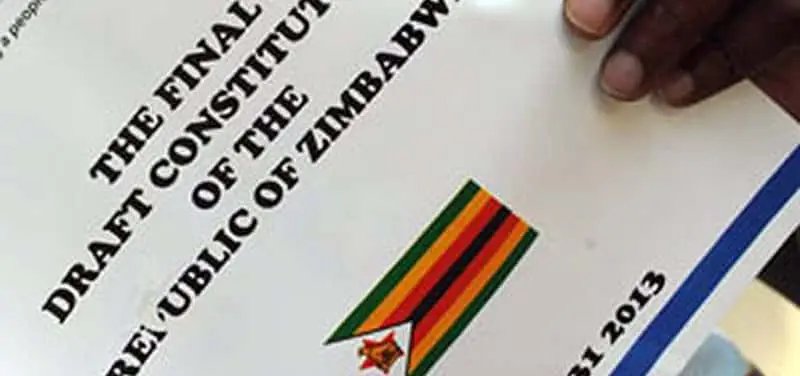
The controversy has placed the spotlight on internal party discipline following the passage of CAA3, a constitutional amendment that extended presidential and parliamentary terms from five to seven years and changed the process of electing the President.
It remains unclear whether formal petitions have been submitted to the national leadership or whether disciplinary proceedings have been initiated.