
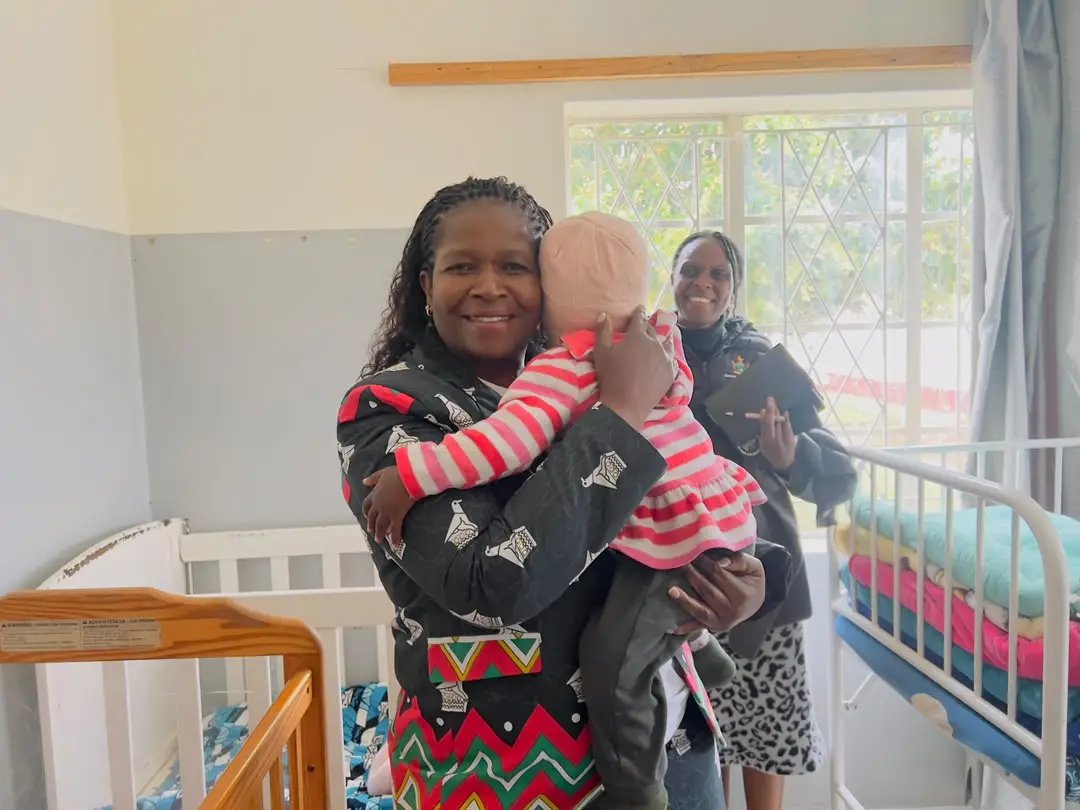
The Government has called for stronger efforts to reunite children living in residential care with their families where it is safe and in their best interests.
Labour and Social Welfare Deputy Minister Advocate Mercy Dinha made the call during a tour of children’s homes in Masvingo province which included Lirhanzo Children’s Home in Mwenezi, Alpha Cottages in Masvingo, Little Birds in Bikita and Shekinah Glory in Zvishavane.
Advocate Dinha said the Government’s approach to child protection should go beyond providing basic accommodation to ensuring that children receive care that supports their dignity, development and future.
“This visit is particularly important to me because child protection is not only about policies, legislation and programmes, it is ultimately about the lives, dignity, safety and future of individual children,” she said.
She said the visits were intended to give government officials a first-hand understanding of the conditions in which children were living and the challenges faced by caregivers.
“I intend to gain a first-hand appreciation of the living conditions, care and wellbeing of children residing in this institution,” Advocate Dinha said.
She said particular attention should be given to food and nutrition, education, healthcare, psychosocial support, protection and opportunities for children’s overall development.
The deputy minister said Government was committed to protecting children from abuse, neglect, exploitation and violence, while strengthening alternative care systems.
She said family preservation and preventing unnecessary separation should remain priorities, with residential care reserved for children who genuinely require such protection.
“As Government, we recognise that, wherever it is safe and, in the child’s best interests, children should grow up in a family environment,” she said.
Advocate Dinha urged social workers and residential institutions to prioritise family tracing, assessment, reunification and reintegration, supported by follow-up and aftercare.
She, however, stressed that reunification decisions should be based on individual circumstances and professional assessments.
“Decisions regarding reunification or any alternative care arrangement must be guided by the best interests of the child, safety considerations and proper professional assessment,” she said.
Advocate Dinha also praised caregivers and institutional staff for their work, saying their responsibilities extended beyond providing food and shelter.
“Your role goes beyond providing food and shelter. You provide emotional support, guidance, protection and stability to children who may have experienced difficult circumstances,” she said.
She encouraged caregivers to treat children with dignity, respect, fairness and love while observing professional boundaries and safeguarding standards.
“Tinokutendai chose nebasa guru ramurikuita,” she said, thanking caregivers for their work.
Advocate Dinha also called for greater collaboration between the Ministry, provincial and district social development structures, local authorities, development partners and civil society organisations in strengthening child protection services.
Addressing children at the homes, she urged them to remain focused on their education and personal development.
“You are important. You are valued. You have a future. Your circumstances today do not determine what you can become tomorrow,” she said.
She also emphasised the importance of listening to children and involving them in decisions affecting their lives.
Advocate Dinha said the tour was not simply a ceremonial exercise, but part of Government’s responsibility to assess conditions on the ground and use the findings to improve child protection and alternative care services.
“The information and observations arising from this visit will assist us in strengthening the delivery of child protection and alternative care services,” she said.