
By Edith Mugabe
Young Zimbabweans have pledged to use advocacy, storytelling and civic engagement to highlight the challenges facing mining communities, following a critical minerals justice conference in Harare.
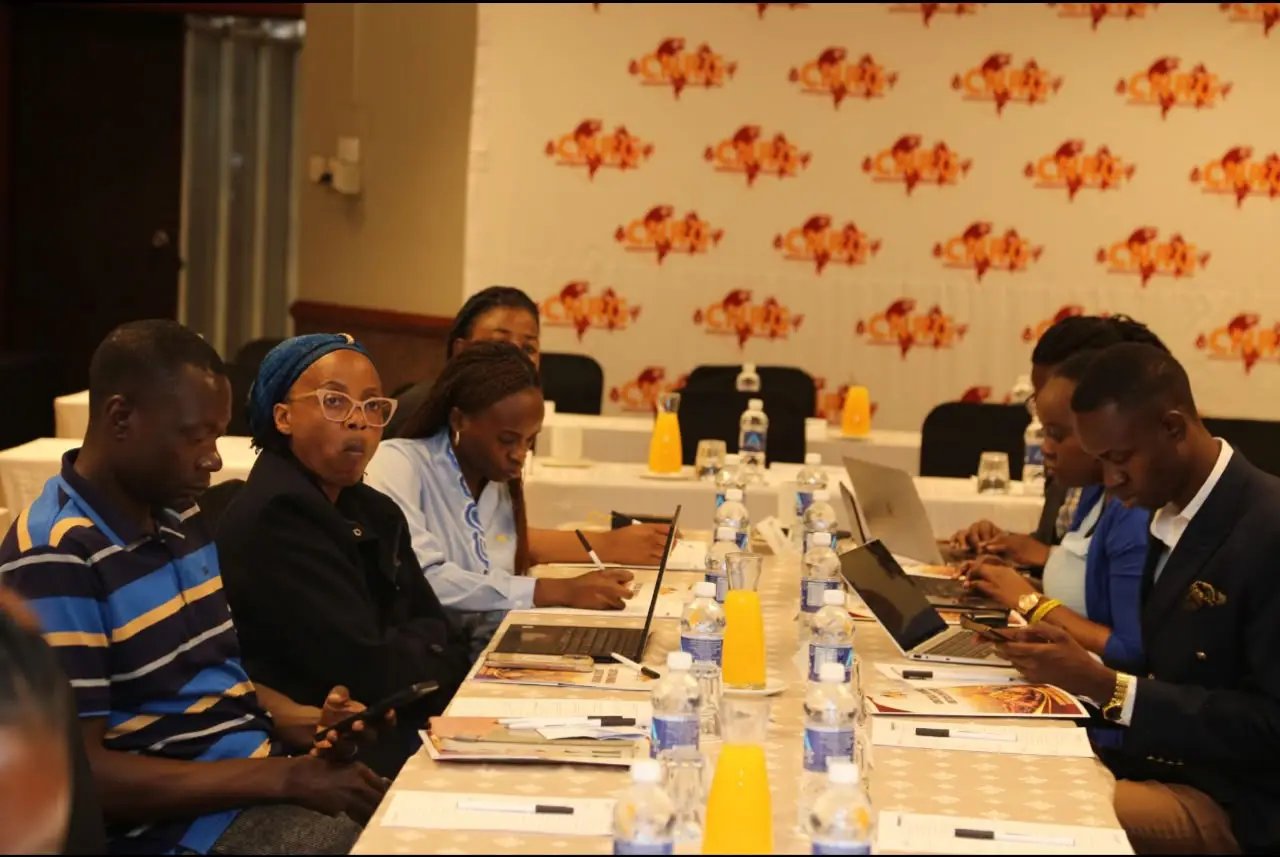
The conference, organised by the Centre for Natural Resource Governance (CNRG) recently brought together civil society groups, community representatives, researchers, environmental justice advocates and young people to discuss the social and environmental impact of mining.
Held under the theme “Reclaiming the Narrative: Justice, Sovereignty and Accountability in Zimbabwe’s Critical Minerals Sector”, the meeting explored how communities could secure greater benefits from the country’s mineral wealth.
Young participants said the discussions had deepened their understanding of the challenges facing mining communities and the role they could play in addressing them.
Anesu Emmanuel Chagadama, a sustainable biotechnologist, said testimonies from affected communities had challenged the assumption that people living in mineral-rich areas automatically benefited from extraction.
“I have heard testimonials from people living in communities where minerals are being extracted and we believe everything is going on well with the people there, yet they are carrying a larger burden because of the natural resources they have in their communities instead of benefiting,” he said.
Chagadama said the conference had equipped him with knowledge to raise awareness and advocate for change.
“For me, this conference was very informative and eye-opening. It has empowered me with information and knowledge that I can use to advocate for change and act upon the issues to raise awareness about the challenges they are facing, but also the hope that is there for Zimbabweans to have full benefit and full value from extractivism,” he added.
The conference also highlighted the need to ensure that the experiences of women and girls are considered in decisions affecting mining communities.
Thandeka Mpofu, of the Economic Justice for Women Project, said young women needed greater representation in discussions about mining, which can have far-reaching social and economic consequences.
“As a young woman and a person who works with young women, it is important to be represented in spaces where issues that have to do with the effects of mining on young women are discussed,” she said.
Mpofu cited increased unpaid care work, school dropouts, sexual abuse and exploitation among the challenges requiring greater attention.
She said women and girls should be involved in decision-making processes that directly affected their lives.
“The most important thing that I’m fighting and calling for is representation in all spaces because you cannot make decisions for women and girls whilst they are absent in the spaces,” she said.
The role of communication in exposing injustices and connecting affected communities with decision-makers also featured prominently.
Writer and communications practitioner Tyron Takawira said the conference had reinforced the importance of young people understanding their rights and responsibilities towards mining-affected communities.
He said the responsibility to amplify marginalised voices extended beyond activists to include journalists, storytellers and civic leaders.
“Whether you are a storyteller or activist or civic leader, it is important to have the power, bravery and confidence to be able to represent communities facing challenges that one is not necessarily facing,” Takawira said.
He said the discussions had inspired him to produce more stories about young people in mining communities and the challenges they face.
“As a storyteller, I have been motivated to write more about the issues that are being faced by people, specifically young people, living in mining communities, and write about these challenges so that their voices are heard,” he said.
Zimbabwe is seeking to expand its role in the global critical minerals economy, with resources such as lithium and platinum group metals increasingly linked to clean-energy supply chains.
However, communities in mining areas continue to raise concerns about land, livelihoods, environmental protection and whether they are receiving meaningful benefits from mineral extraction.
Chagadama urged young people to recognise their potential to address challenges in their communities.
“We complain about the challenges in our communities, not knowing that we are the people that carry the power to be the solutions where we come from,” he said.
For Takawira, using communication to bridge the gap between marginalised communities and decision-makers is an important part of that responsibility.
Participants said they hoped to translate the knowledge gained at the conference into action through advocacy, documenting community experiences and raising the profile of people affected by mining.